
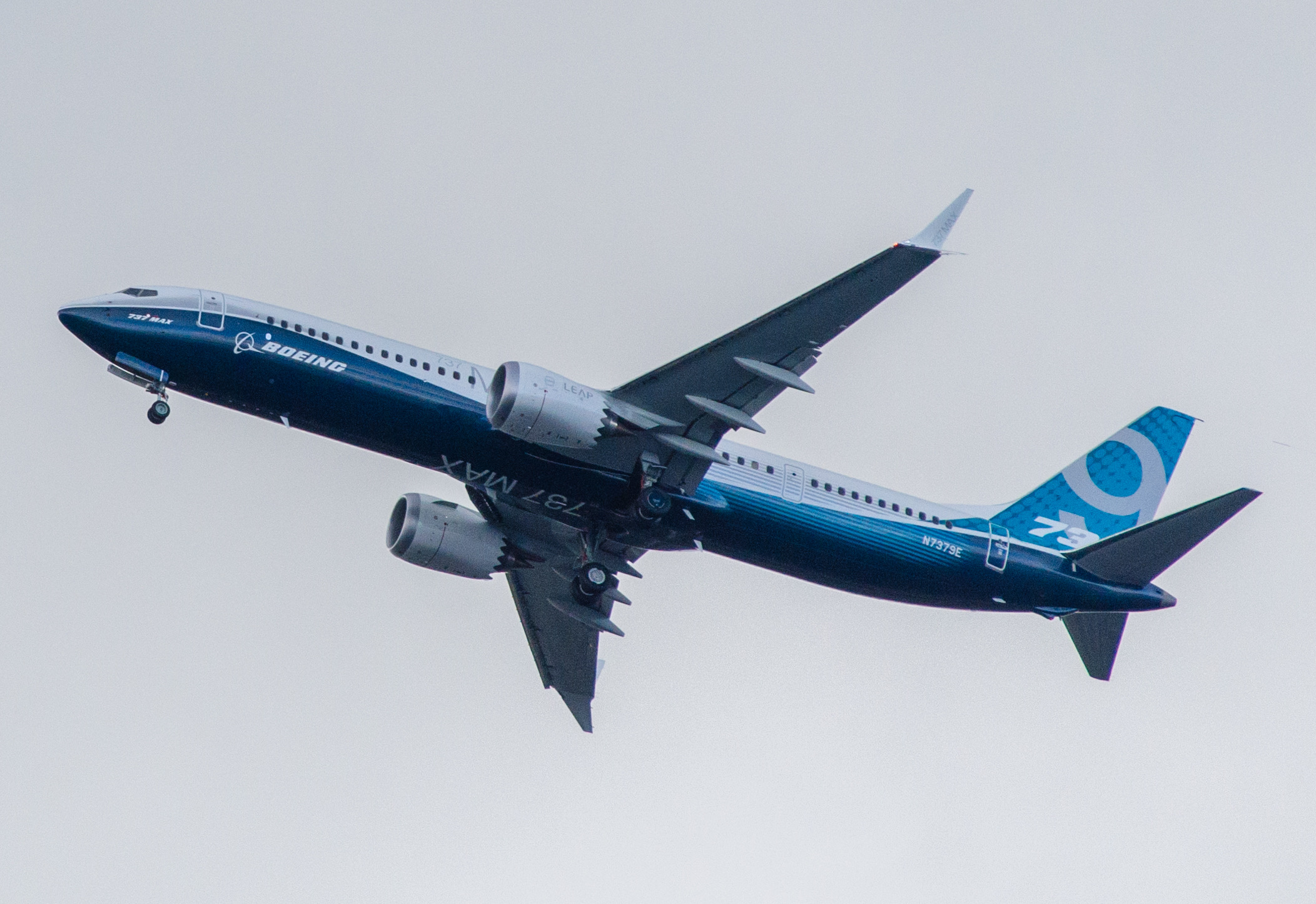
The U.S. Department of Transportation has announced a new audit of the Federal Aviation Administration (FAA) to determine how effectively the agency oversees the manufacturing quality systems of Boeing and other aircraft producers, including components supplied by companies in the United States and overseas.
The review follows years of investigations exposing weaknesses in Boeing's manufacturing processes and federal oversight. One of the incidents cited by auditors is directly connected to the Pacific Northwest: in January 2024, an Alaska Airlines jet lost a panel covering an unused emergency exit shortly after departing Portland, Oregon.
The Department of Transportation's Office of Inspector General formally announced the audit on November 20, 2026.
The Focus Is the FAA's Oversight System
The new audit is primarily a review of the FAA, not an inspection of a particular airplane. The agency is responsible for making sure aircraft manufacturers comply with federal production and safety requirements.
Modern aircraft depend on complex networks of suppliers. Manufacturers must ensure that the parts they receive meet required standards, while the FAA is responsible for overseeing the manufacturers' quality-control systems.
Federal auditors will evaluate how effectively the FAA oversees aircraft manufacturers' quality assurance systems for domestic and foreign suppliers. They will also examine changes to the agency's manufacturing-risk assessment practices and its recently introduced oversight-tracking system.
According to the official announcement, the last dedicated audit of FAA oversight of aircraft manufacturers' suppliers took place in 2008. Supply chains have become more complex since then, raising questions about accountability and quality assurance.
Why the Portland Alaska Airlines Emergency Matters
On January 5, 2024, Alaska Airlines Flight 1282, a Boeing 737 MAX 9, departed Portland International Airport for Ontario, California.
About six minutes after takeoff, while climbing through approximately 14,830 feet, a panel covering an unused emergency exit separated from the fuselage. The sudden depressurization caused oxygen masks to deploy. The crew returned safely to Portland, and eight people suffered minor injuries.
The National Transportation Safety Board (NTSB) determined that four bolts intended to secure the panel were missing. The panel had been removed during manufacturing work at Boeing's Renton, Washington, facility, but the work was not properly documented and a required quality inspection after reinstallation did not occur.
In its final findings released on June 24, 2025, the NTSB identified shortcomings in Boeing's worker training, procedures and supervision. It also criticized the FAA for failing to ensure the company addressed recurring production-recordkeeping problems.
Federal auditors explicitly cited the accident in explaining the need for the new review.
Six Earlier Recommendations Are Still Open
The FAA's production oversight had already come under scrutiny. In October 2024, the Transportation Department's Inspector General published an audit of FAA oversight of Boeing 737 and 787 production.
Auditors identified weaknesses in the agency's ability to detect and resolve manufacturing deficiencies, including insufficient use of data to plan inspections, gaps in supplier oversight and limitations in tracking recurring noncompliance.
The report issued 16 recommendations. According to the department's tracking records, ten had been closed and six remained open by November 2026.
That means corrective measures have been implemented, but some of the issues raised by the earlier investigation remain unresolved.
FAA Says Boeing Has Made Progress
The FAA has also pointed to improvements in Boeing's manufacturing quality systems.
On July 17, 2026, the agency announced that Boeing would again be allowed to issue airworthiness certificates for newly manufactured 737 MAX and 787 aircraft under continued federal oversight. The change took effect July 20 after an eight-month review of production-quality data.
The FAA said inspections, audits and ongoing monitoring would continue. An agency spokesperson told Reuters that the regulator welcomed feedback and would cooperate fully with the new audit.
Boeing had not immediately commented on the review when Reuters published its report.
Why This Matters to Washington and Oregon
Boeing is one of Washington state's most important industrial employers. Renton is a major hub for 737 production, while Everett hosts extensive aircraft manufacturing operations.
In July 2026, Boeing officially opened its new 737 North Line in Everett. Decisions affecting production and manufacturing oversight have consequences for employees, suppliers, contractors and businesses across the region.
For Oregon residents, aviation manufacturing safety is not an abstract concern. Alaska Airlines Flight 1282 departed from Portland, demonstrating how a manufacturing failure in one state can create a dangerous emergency for passengers in another.
The announcement of a federal audit does not mean investigators have discovered new defects in Boeing aircraft, nor does it automatically impose restrictions on aircraft operations.
The central question is whether the federal oversight system can reliably identify manufacturing risks and ensure that problems are corrected before airplanes enter service.
No date has been announced for the final audit report. Its findings will help show how much the FAA's oversight of aircraft manufacturers and their suppliers has actually changed.
Roman Tretiakov | WE PNW