Forgotten History of the Pacific Northwest
Where should we spend the winter?
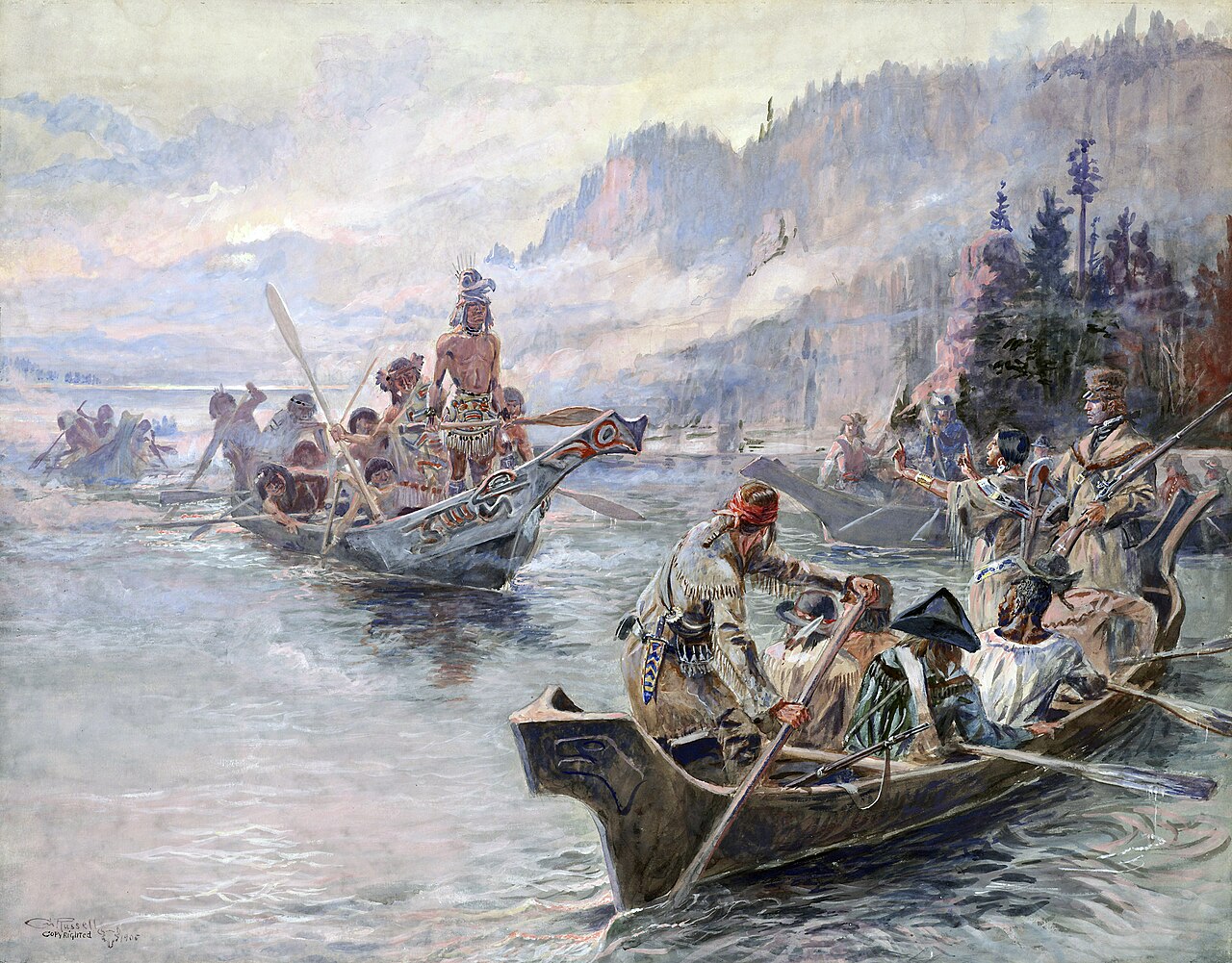
In November 1805, on the banks of the Columbia River, the question was put to soldiers, hunters, York, an enslaved man, and Sacagawea, who was traveling with her infant son.
The Lewis and Clark Expedition reached the Pacific Ocean in mid-November. But reaching the coast did little to improve their circumstances.
Rain poured down, winds battered the camp, and the expedition's members were wet, hungry, and poorly equipped for the approaching winter.
Their encampment on the northern bank of the Columbia, in what is now Washington State, would later become known as Station Camp.
For the moment, it was simply a place to stop and decide how to survive the winter.
The land, however, was not theirs. The area was a seasonal settlement of the Chinook people. On November 20, two influential Indigenous leaders, Shelathwell and Comcomly, visited the expedition.
It was the explorers who were guests here.
Everyone Had a Voice
On November 24, the captains did something unusual for military officers: instead of simply issuing an order, they asked for opinions.
Clark outlined the advantages of moving to the southern side of the Columbia River. Members of the expedition were consulted about where they should spend the winter.
Clark recorded York's preference. Sacagawea's opinion was not included in the numerical tally, but Clark noted her wish to settle somewhere with abundant wapato — edible tubers of an aquatic plant that could provide an important source of food.
Her concern was practical: finding a place where the expedition would have enough to eat.
What Happened Next
The expedition decided to explore the southern bank of the Columbia.
On November 25, the party left Station Camp. Before departing, Lewis burned his name into a tree. The following day, the expedition crossed the Columbia River.
The winter encampment would eventually become Fort Clatsop, named after the Indigenous people living in the surrounding area. By Christmas, the expedition had moved into the fort.
Historians continue to debate whether the November 24 consultation should be described as a formal vote. The journals document the opinions expressed, but the episode was not a democratic election in the modern sense.
Nor did York's participation grant him freedom. After the expedition, when he asked Clark to free him, Clark refused.
These details do not diminish the historical significance of the episode. They make the story more honest.
Home Begins with a Question
More than two centuries later, the question of where to stay, where to belong, and where to build a future remains meaningful to many people across the Pacific Northwest.
On a rain-soaked riverbank in November 1805, opinions were sought even from people who lacked equal rights, authority, or freedom.
That moment did not erase the inequalities of its time.
But it offers a lasting reminder: sometimes, the beginning of belonging is as simple as being asked.
Happy Thanksgiving.
Roman Tretiakov, Editor | WE PNW