
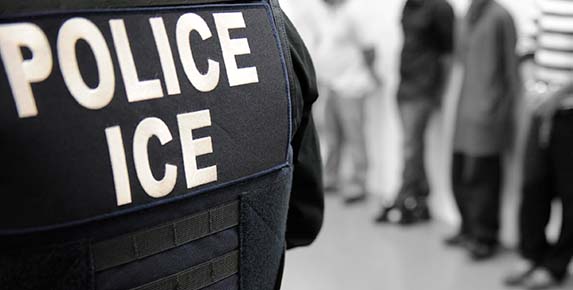
SEATTLE, Washington — November 22, 2026. On the morning of November 21, U.S. Immigration and Customs Enforcement (ICE) agents detained two passengers on a jet bridge as they were boarding Alaska Airlines Flight 1306 for Los Angeles. Fellow travelers recorded the confrontation, and the flight was delayed.
The passengers were Ricardo Larrondo Mendoza and his daughter, Sofia Hernandez Mejia. ICE alleges both had overstayed their visas and says Sofia threw hot coffee at officers. Family attorney Olia Catala disputes that account and says the two have lived in the United States since 2015 and have pending immigration matters. These conflicting accounts have not been established as fact by a court.
Airport operator and airline say they were not involved
The Port of Seattle, which operates SEA Airport, said November 21 that the enforcement action took place without its participation or knowledge. It is discussing with the Department of Homeland Security whether agreed-upon airport protocols were violated.
Alaska Airlines, in a statement issued at 3:30 p.m. PST on November 21, said it neither directs nor coordinates immigration enforcement. The airline said it received no advance notice of the action and is reviewing the circumstances with the Port.
Those statements address this particular arrest; they do not amount to a blanket refusal to cooperate lawfully with federal agencies.
Washington Governor Bob Ferguson condemned ICE's tactics and publicly called for the agency to be abolished in its current form.
The debate goes beyond Seattle
On November 7, Houston Mayor John Whitmire ordered limits on local police cooperation with ICE when a case involves only a civil immigration warrant. Reuters reported that Whitmire tied the policy shift to the election results and a desire to reduce anxiety in the city.
On November 18, Senators Jacky Rosen and Alex Padilla introduced the Travel Without Fear Act, proposing tighter restrictions on civil immigration operations at airports, including judicial warrant requirements and advance notification to airports and airlines. The proposal is not law.
These are different kinds of actions, but they show that ICE tactics are increasingly being debated by local governments, federal legislators and organizations responsible for transportation infrastructure.
What does public opinion show?
An Economist/YouGov poll conducted November 4–6, 2026 found 47% of registered voters supported abolishing ICE and 45% opposed it. The numbers indicate a divided electorate, not proof from one poll of a sustained upward trend.
A wider political change?
Following the 2026 elections, congressional oversight of immigration enforcement and possible investigations into federal agency conduct have become part of the political debate. Public statements about whether organizations participated in controversial operations consequently warrant close scrutiny.
The question now extends beyond a single airport arrest: is the willingness of local authorities and businesses to publicly stand behind ICE operations changing? Further decisions and documented actions will be needed to answer it.
Photo: U.S. Immigration and Customs Enforcement / Public Domain. Archival image from 2019 depicting a different enforcement operation, not the Seattle airport arrests. Original image and rights.
