
TACOMA, Wash. — November 20, 2026 | WE PNW
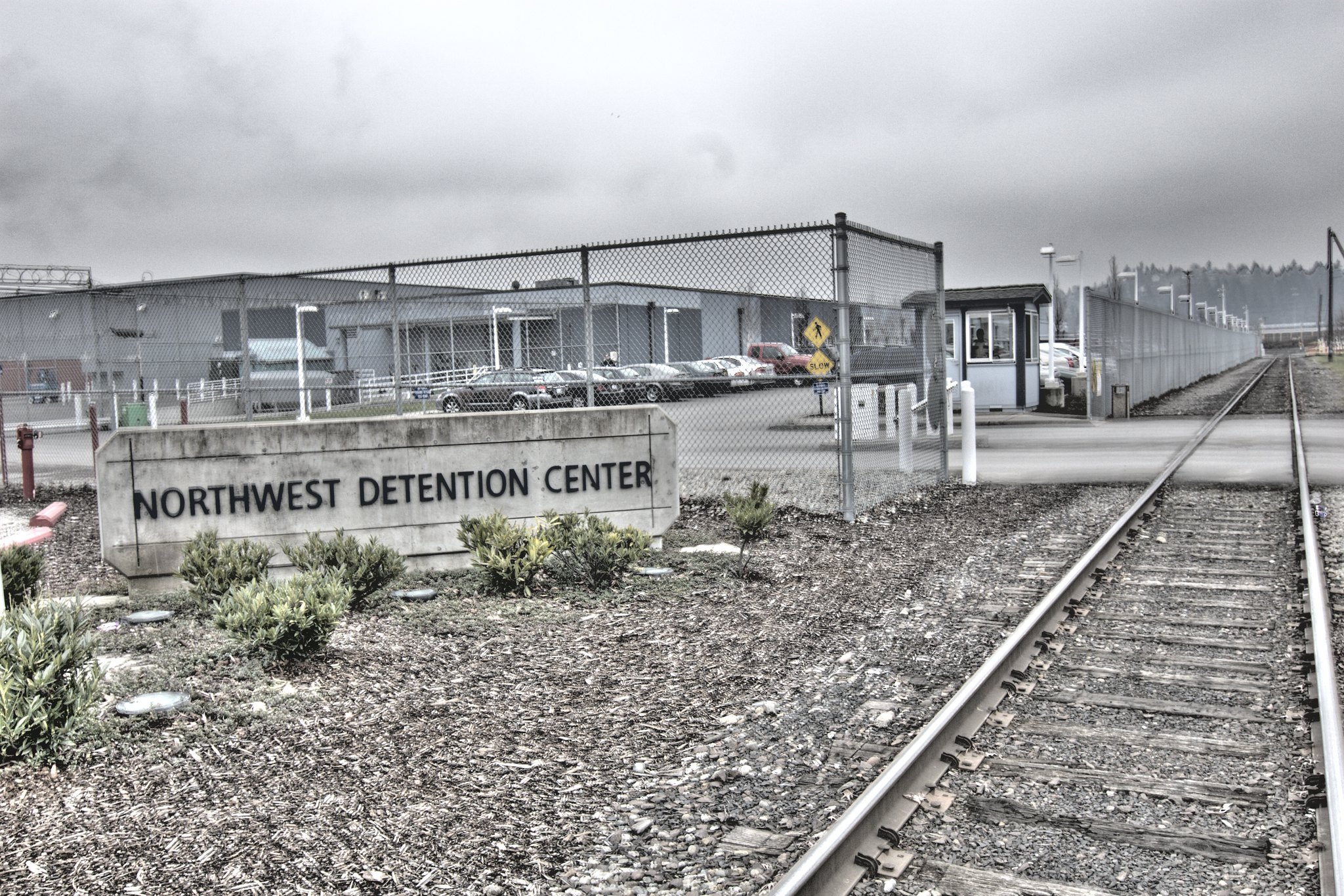
The federal government purchased the Northwest ICE Processing Center in Tacoma for $453 million, closing the transaction with private prison contractor GEO Group on Nov. 17. GEO announced the sale the next day.
The 1,635-bed center is now federally owned, but not federally operated. GEO will continue managing the site under a new contract extending through October 2036. The government is buying a facility ICE already used while retaining the seller as its contractor — an arrangement that puts both the purchase price and the long-term cost in focus.
A $453 million sale and a continuing contract
GEO's filing with the Securities and Exchange Commission values the sale at $453 million, with an expected $340 million in net proceeds after taxes and transaction expenses.
The company's new 10-year operations contract is projected to generate about $140 million in annual revenue. At that annual rate, the contract could represent roughly $1.4 billion over a decade, though that figure is a projection, not a guaranteed payout. GEO will continue providing security, maintenance, meals, transportation and access to medical and other services.
GEO also said it plans to use proceeds and operating cash flow for an accelerated $500 million stock buyback, and is discussing potential sales of other detention properties to federal officials.
The price raises questions — not an automatic finding of overpayment
Rep. Pramila Jayapal, D-Wash., highlighted a property tax assessment of less than $72.6 million. The federal purchase price was more than six times that amount, a gap exceeding $380 million.
Property tax assessments are not commercial appraisals. The market value of a specialized operating facility may include assets not fully captured in the tax figure. But the spread prompts reasonable questions: How was the $453 million price determined? Was an independent valuation performed? And how does ownership compare financially with continuing to use the existing facility under other arrangements?
A Nov. 19 Government Accountability Office report identified shortcomings in ICE's cost-effectiveness reviews and capital planning for its broader detention property strategy. It did not determine that Tacoma's sale was improper. It did underscore why the financial case for major acquisitions deserves scrutiny.
Complaints, inspections and the change in ownership
Washington state officials have long fought to inspect the Tacoma facility. The state Department of Health has documented more than 3,500 complaints involving food, water, sanitation, access to health care and alleged mistreatment. A complaint is not proof that a violation occurred.
Gov. Bob Ferguson and Attorney General Nick Brown sought access for state health inspectors. After disputes over entry, a federal judge issued preliminary inspection-related orders in July. Litigation continued.
The change to federal ownership may affect the legal issues surrounding state inspections. It does not, by itself, establish that Washington has lost every inspection right.
Ferguson criticizes the deal but maintains limited cooperation with ICE
On Nov. 19, Ferguson criticized spending federal taxpayer money to purchase the property while GEO stays on as operator. He pointed to detention complaints and the state's efforts to secure oversight. As Washington attorney general, Ferguson previously brought detainee labor litigation against GEO that resulted in judgments totaling roughly $23 million.
At the same time, Ferguson has defended lawful information-sharing by the Washington Department of Corrections with federal immigration authorities regarding certain state prisoners, citing public safety and statutory obligations. Washington places other restrictions on local police involvement in civil immigration enforcement. Those are different functions, even as advocates continue debating where cooperation should end.
Lawmakers want answers
Sen. Patty Murray, D-Wash., questioned GEO's new 10-year contract in a Nov. 10 letter to the Department of Homeland Security, before the sale was announced. Following the transaction, Jayapal questioned the price, while Rep. Emily Randall called for scrutiny of the financial arrangements.
Tacoma City Council members Sandesh Sadalge and Olgy Diaz warned that federal ownership could complicate independent oversight. Their concern describes a potential legal consequence, not a settled court ruling.
DHS says buying existing facilities preserves detention capacity without waiting for new construction. GEO welcomed the agreement and its continued relationship with ICE.
A new Senate majority, an investment lasting into 2036
Democrats won control of the Senate in the Nov. 3 midterms, with the next Congress convening Jan. 3, 2027. A new majority can hold hearings and scrutinize agency spending, but election results do not automatically cancel contracts or redirect executive branch immigration policy.
Tacoma's purchase does not add 1,635 new beds; the facility was already in operation. Instead, the federal government is securing ownership of existing capacity while keeping its operator in place for another decade.
That is the political contradiction: expectations of a possible immigration-policy shift are growing as Washington's balance of power changes, while federal investment in detention infrastructure is being locked in for years. The purchase does not prove plans for a specific number of future arrests. It does raise the question of what long-term detention system the government intends to maintain — and what taxpayers will pay for it.
Roman Tretiakov | WE PNW