PORTLAND, Ore. — October 16, 2026 | WE PNW
Portland has plenty of recognizable landmarks, from its bridges to the mountains visible beyond the city.
But one of its most unusual cultural symbols is something travelers once walked across without giving it much thought: the carpet at Portland International Airport.
Its teal geometric design became a local obsession, inspiring photographs, souvenirs, sneakers and even basketball uniforms.
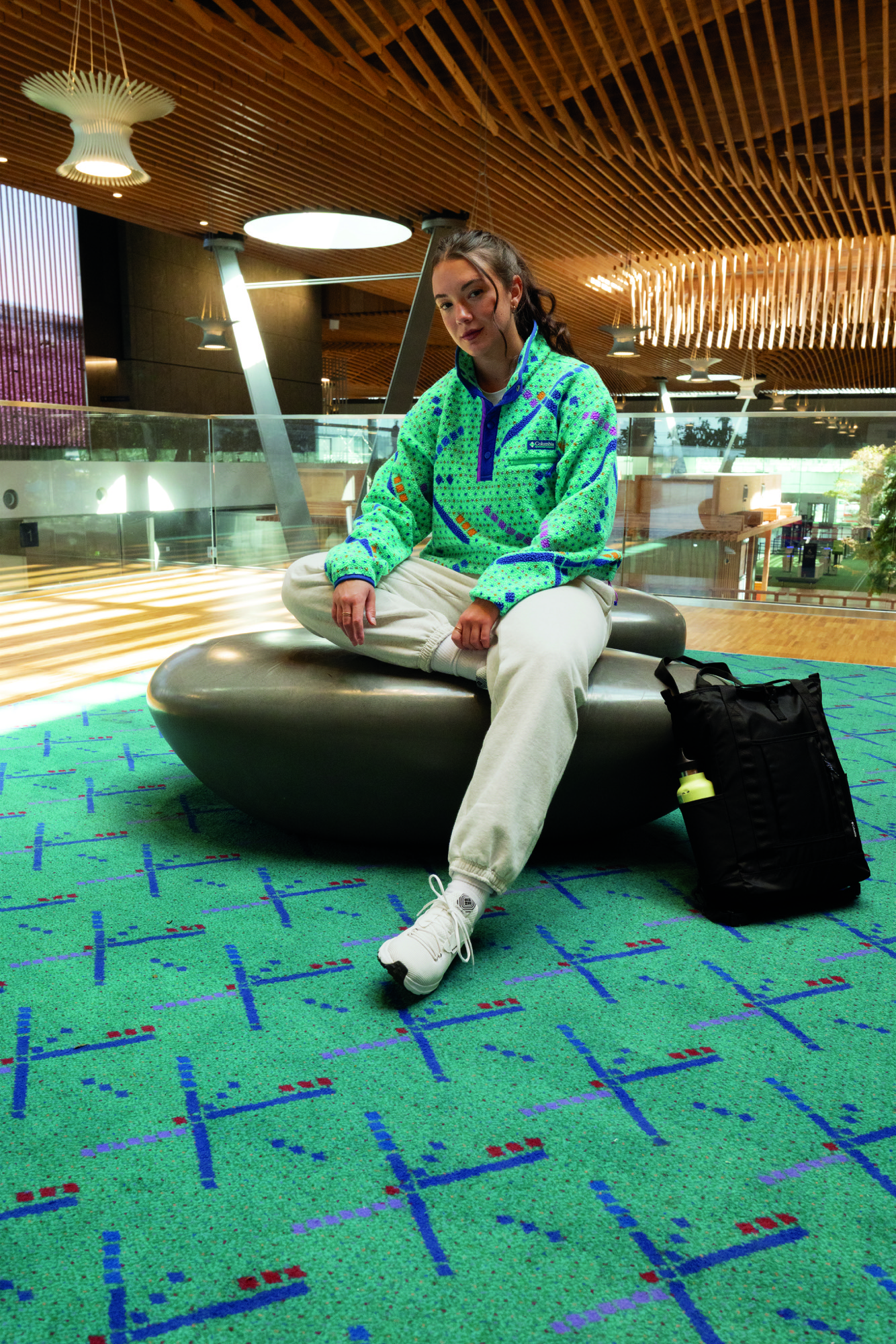
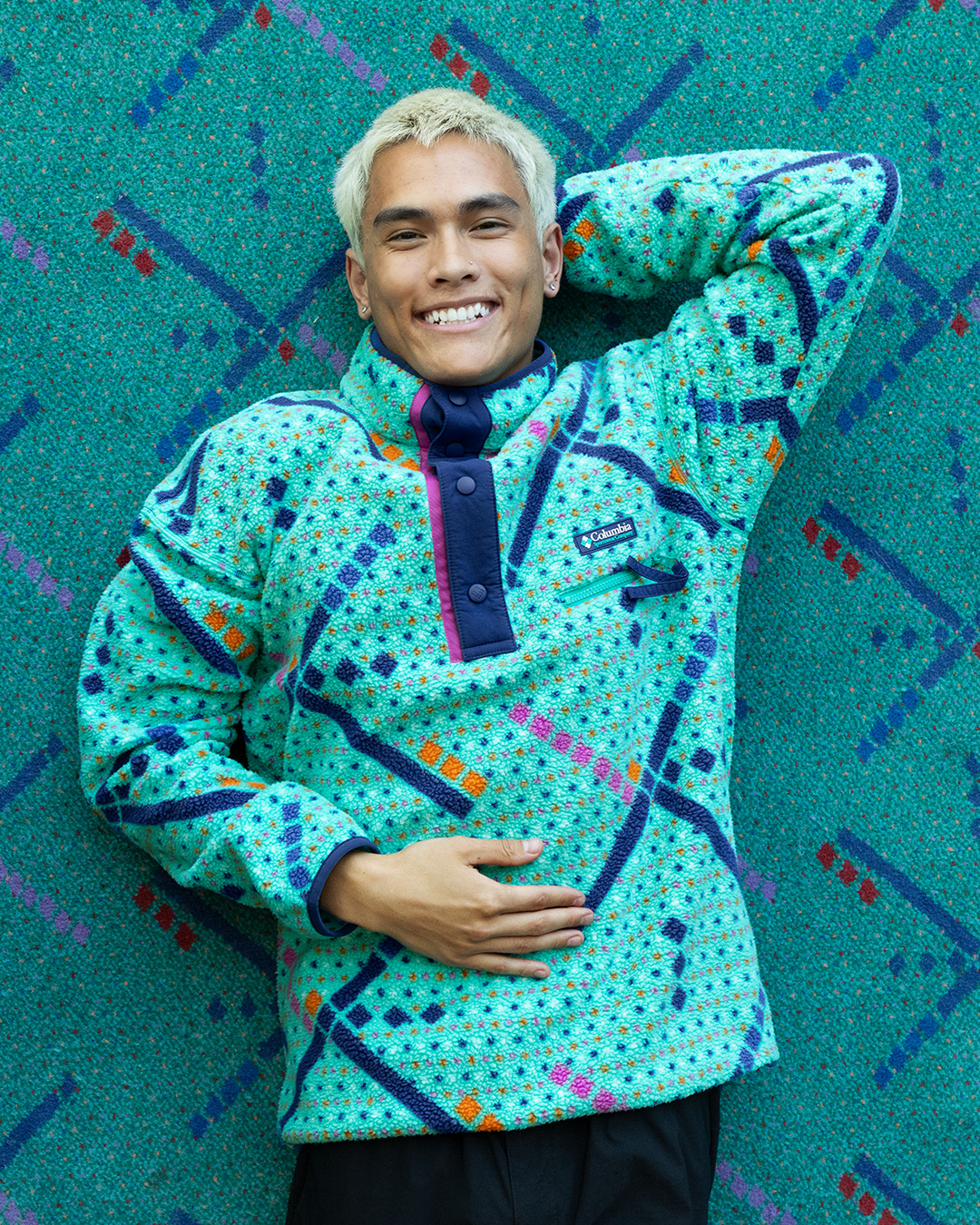
Now the pattern has found a new home on a limited-edition Columbia Sportswear fleece.
And Portland shoppers responded almost immediately.
On October 16, Columbia Sportswear representative Andy Nordhoff confirmed directly to WE PNW that the Helvetia PDX fleece had officially sold out because of exceptionally high demand.
The First Release Sold Out in Under Five Minutes
Columbia launched the product in two stages.
On October 14, members of its Greater Rewards loyalty program received early online access to the limited-edition Helvetia PDX fleece.
According to FOX 12 Oregon, the initial allocation for members sold out in less than five minutes.
The following day, October 15, the fleece became available to the general public.
Customers could shop online, at Columbia's downtown Portland flagship store on Broadway, and at the company's Portland International Airport location.
The distinction matters: the five-minute sellout refers specifically to the early-access release, not every sale across both days.
However, by October 16, Columbia confirmed to WE PNW that the style had completely sold out.
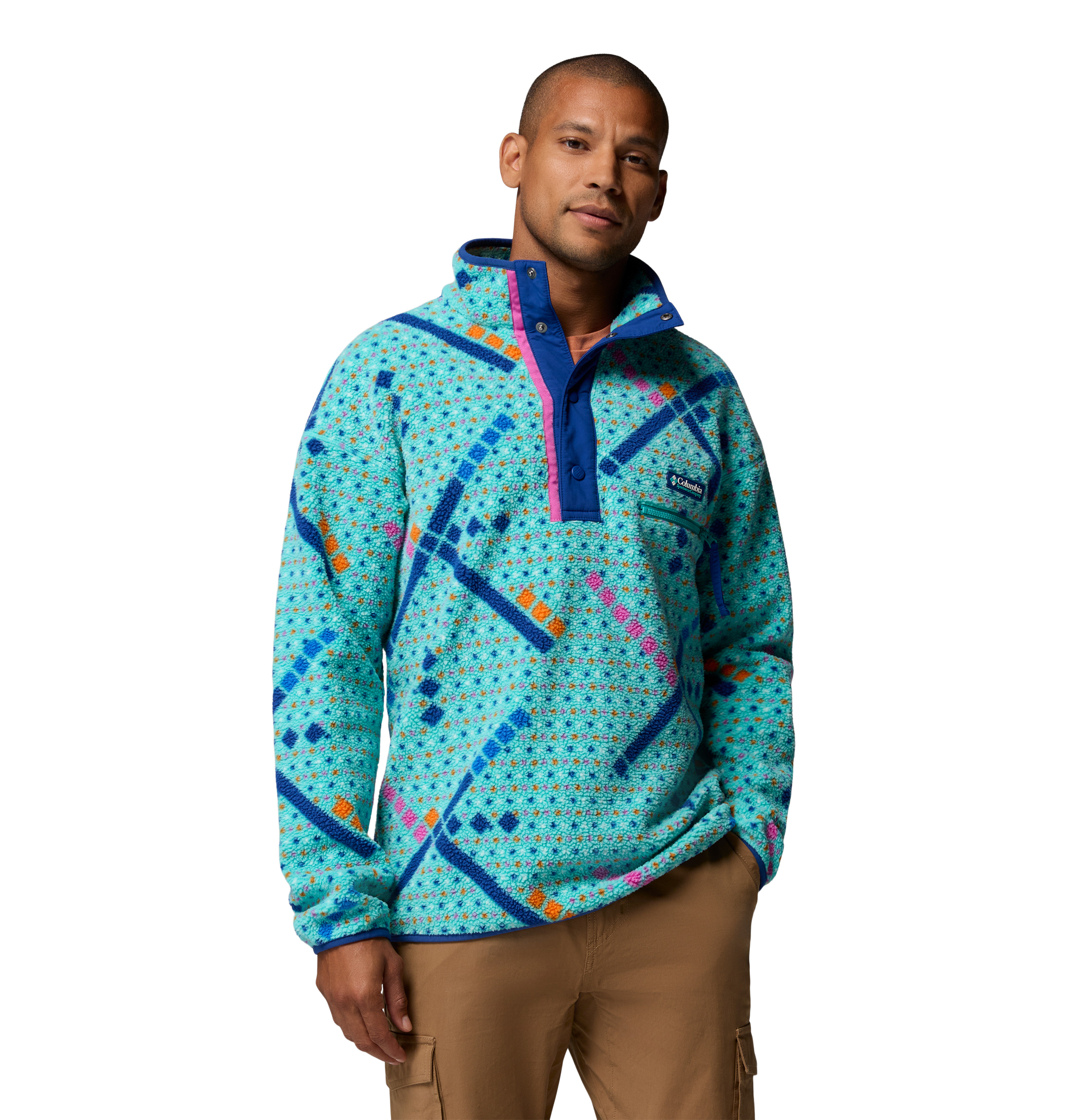
Both men's and women's versions of the Helvetia PDX Half Snap Fleece were priced at $100.
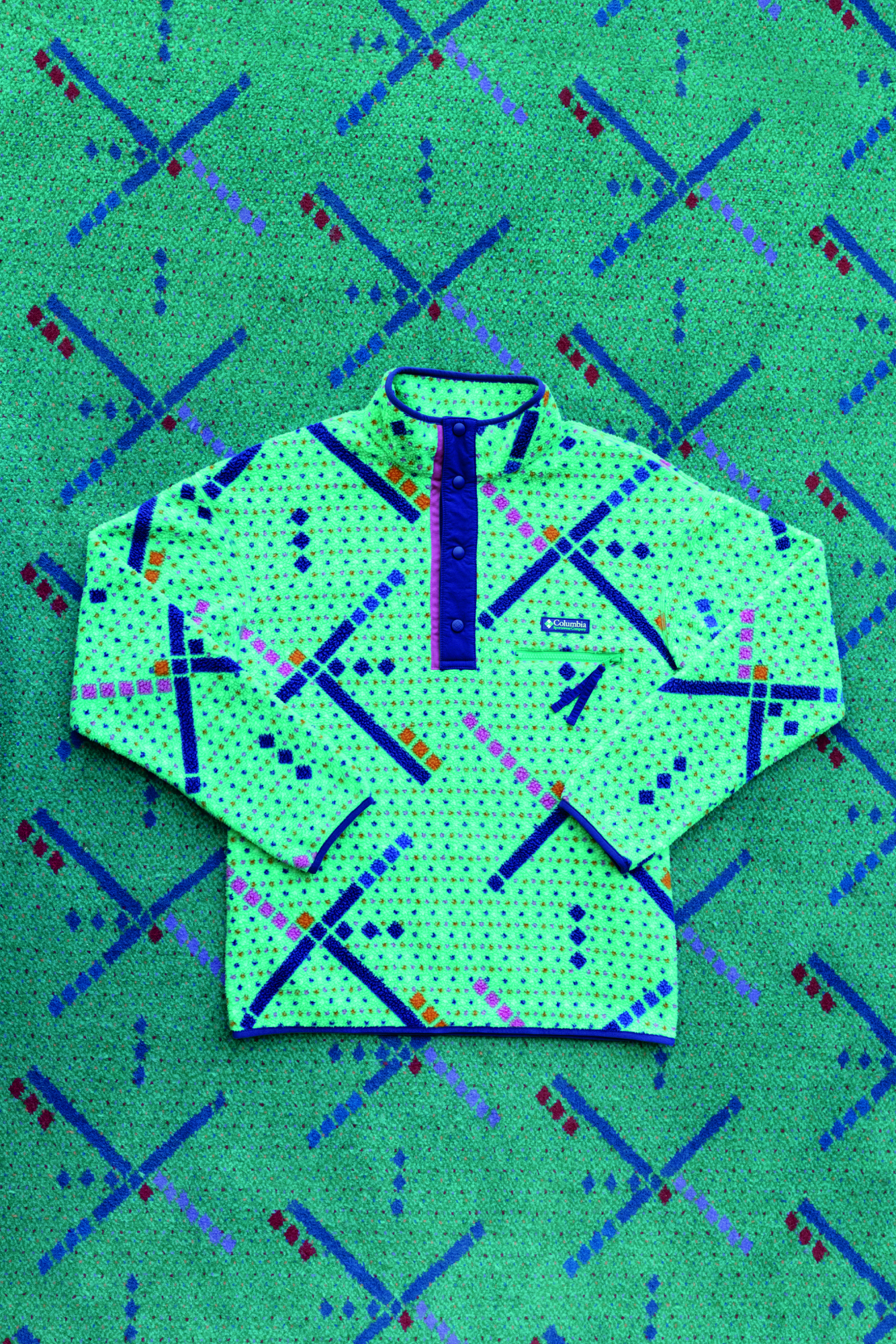
The fleece features a snap-front collar, a zippered chest pocket and the instantly recognizable teal pattern inspired by the airport's flooring.
Columbia's official pages for the men's and women's products display a Sold Out notice.
But why would a fleece inspired by an airport carpet generate such extraordinary interest?
The answer goes back nearly four decades.
How the Famous PDX Carpet Was Created
When Portland International Airport's main terminal opened in 1956, its floors featured brown terrazzo.
That surface was later replaced with blue carpet displaying the Port of Portland logo.
By the late 1980s, airport officials were looking for a fresh design that would better reflect the character of the airport and the Pacific Northwest.
They worked with Portland architecture firm SRG Partnership, which developed the now-famous geometric pattern.
The new carpet was installed in 1988.
Its teal background and intersecting lines were inspired by the airport's runways, taxiways and lights, as they might appear to an air traffic controller looking out from the control tower at night.
The colors also reflected the natural palette of the Pacific Northwest.
The design's origin is documented in the Port of Portland's official carpet replacement backgrounder.
At the time, the carpet was primarily a practical design choice.
It softened the airport's vast interior spaces and helped reduce the noise of travelers moving through the terminal.
Few could have predicted that it would eventually become one of Portland's most recognizable symbols.
How Shoe Selfies Became a Portland Tradition
The carpet's popularity grew dramatically with the rise of social media.
Travelers began taking pictures of their shoes standing on the teal geometric pattern, sharing the images with the hashtag #PDXCarpet.
What started as a simple photograph turned into a local travel ritual.
For Portland residents, the picture often represented a return home.
For visitors, it marked their arrival in the city.
The pattern became a recognizable visual shorthand for Portland — without any traditional tourism campaign.
Before long, it appeared on socks, shirts, coffee mugs, keychains and other merchandise.
But its popularity reached another level when airport officials announced plans to remove the aging carpet.
Why Portland Didn't Want to Lose Its Carpet
By 2013, the flooring was showing serious signs of wear after decades of heavy passenger traffic.
According to airport accounts, some sections had become so faded that maintenance workers used markers to color in worn areas.
The Port of Portland announced that the old carpet would be replaced with a new design.
The reaction surprised airport officials.
Residents began sharing photographs and memories of the carpet, expressing disappointment at the prospect of losing a familiar part of Portland life.
The story drew attention well beyond Oregon, eventually becoming a subject of national and international news coverage.
Removal began in 2015.
The replacement project covered approximately 13 acres of carpet — an area comparable to about ten football fields.
Much of the worn material was designated for recycling, while usable pieces were made available for repurposing and keepsakes.
These details appear in the Port of Portland's carpet replacement project documents.
The controversy revealed that what officials had viewed as aging airport infrastructure had become something much more meaningful to the community.
When an Airport Carpet Led a Portland Parade
One of the strangest and most memorable moments came in 2015.
A roll of the old carpet, decorated with oversized googly eyes, was named grand marshal of Portland's Starlight Parade.
Yes, an actual roll of carpet became the ceremonial centerpiece of a major city celebration.
In a place famous for the expression Keep Portland Weird, the choice felt entirely fitting.
The airport itself recounts the story in its official history of the iconic carpet.
By then, the carpet had become much more than a floor covering.
It was part of the city's collective memory, local humor and cultural identity.
The Famous Pattern Returns to PDX
Removing the original flooring did not end Portland's attachment to the design.
In February 2022, the Port of Portland announced plans to bring the iconic carpet pattern back to the airport's renovated main terminal.
And in August 2024, the design returned.
When the newly renovated main terminal opened, travelers could once again find the familiar pattern in designated areas.
Airport officials placed the carpet primarily in spaces intended for sitting, waiting and relaxing.
Higher-traffic areas received smoother materials, including terrazzo and wood, to accommodate luggage, wheelchairs and other mobility devices more effectively.
In its PDX Next announcement, the airport explained that the decision to restore the pattern reflected the community's longstanding affection for it.
The carpet had returned to the place where its story began.
From Souvenirs to Portland Trail Blazers Jerseys
Over the years, the PDX pattern spread far beyond the airport.
It appeared on socks, sneakers, accessories and countless other products.
In 2022, the Portland Trail Blazers introduced a City Edition basketball uniform inspired by the airport carpet.
The design also appeared on various local souvenirs and special-edition footwear.
Columbia's fleece is therefore part of a longer Portland tradition of turning the carpet into wearable culture.
This time, however, the airport's design was paired with another iconic name from the region.
Why Columbia Chose the PDX Design
Columbia Sportswear has deep roots in Portland.
In 2026, the company is celebrating the 35th anniversary of its Helvetia fleece, first introduced in 1991.
To mark the anniversary, Columbia launched a series of limited-edition designs and collaborations.
The PDX carpet version was the first release in that series.
Importantly, the 35th anniversary refers to Columbia's Helvetia fleece, not the age of the airport carpet.
Columbia worked with the Port of Portland on the collaboration.
In an interview with the Portland Business Journal, Becca Johnson, Columbia's director of special projects and collaborations, explained that the Port helped provide the appropriate colors and guidance for reproducing the carpet design.
The partnership brought together two distinctive elements of Portland's identity: an outdoor clothing company with local roots and an airport pattern that became a cultural phenomenon.
The speed of the initial sellout suggests the combination struck a chord with shoppers.
Will Columbia Release More PDX Fleece?
With the collection sold out, the question now is whether Columbia will produce another batch.
As of October 16, the company had not announced a confirmed restock date.
WE PNW sent Columbia a follow-up question asking whether another release is planned.
At the time of publication, the newsroom had not received confirmation of any additional production or future sales date.
That means it would be premature to say the design is permanently discontinued. But there is also no confirmed basis for promising that more will become available soon.
The Helvetia PDX story illustrates how even an unexpected object can become deeply connected to a city's identity.
Portland's airport carpet survived years of wear, replacement, public outcry, a celebrated return and countless appearances on local merchandise.
Now its pattern has found another life on Columbia fleece — and once again, demand has exceeded the available supply.
For Portland, this has never been just a carpet. It is a piece of local history that people can now literally wear.