
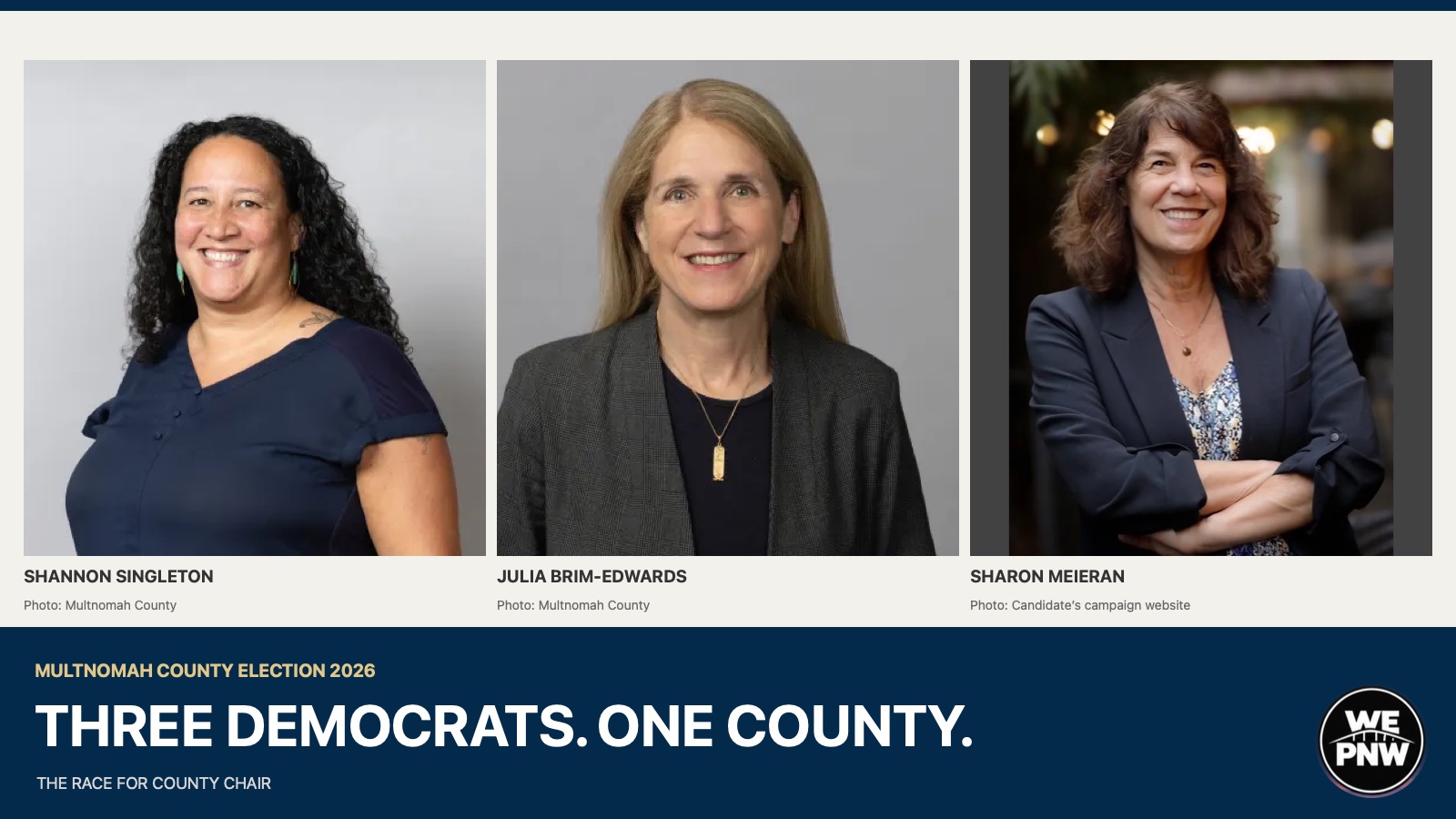
PORTLAND, Ore. — November 5, 2026
Three Democrats, three approaches to governing and one multibillion-dollar budget.
While much of America is focused on the political contest between Republicans and Democrats, a different kind of election is unfolding in Multnomah County: a competition among candidates from the same political party.
At stake is the position of county chair, one of the most influential local government offices in the Portland metropolitan area.
The chair plays a central role in shaping the county budget and overseeing services involving homelessness, public health, mental health and addiction treatment.
According to preliminary results from Multnomah County Elections, Shannon Singleton leads with 56.48% of the continuing vote. Julia Brim-Edwards follows with 43.52%. Sharon Meieran was eliminated during the ranked-choice tabulation.
The results have not yet been certified.
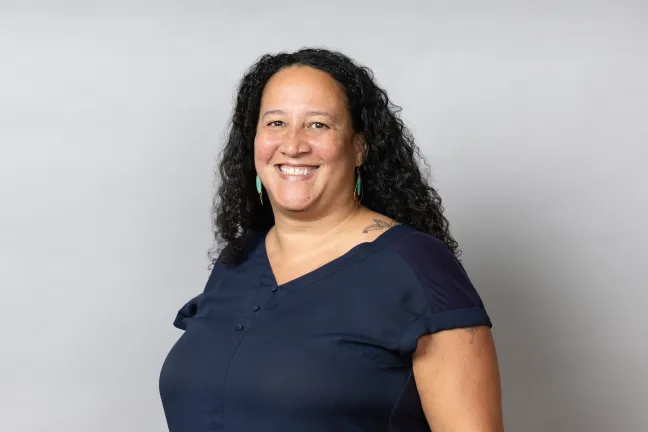
Photo: Multnomah County / Source
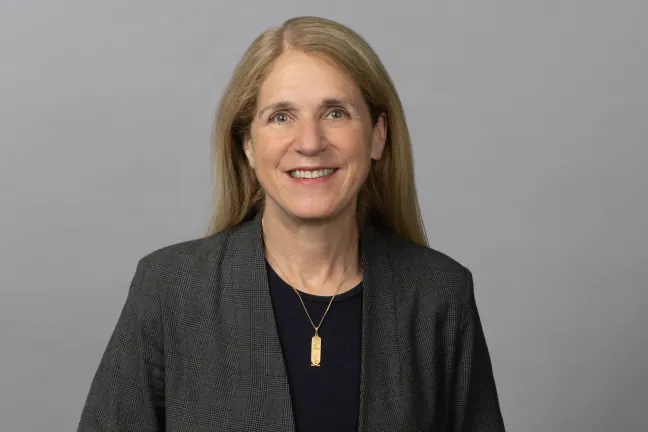
Photo: Multnomah County / Source
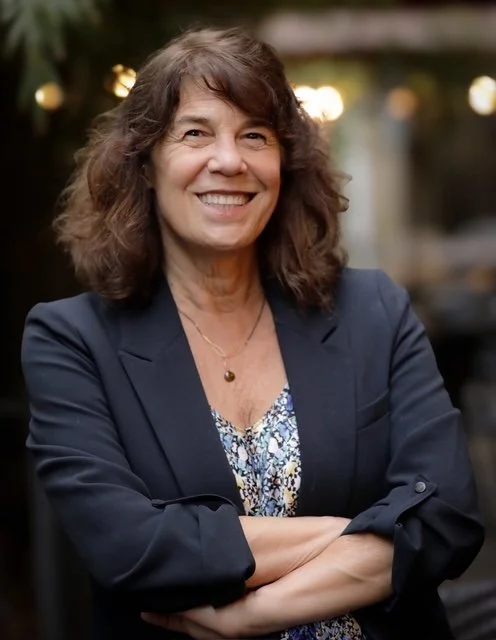
Photo: Courtesy of the candidate's campaign website / Source
Why Are Three Democrats Running Against One Another?
The Multnomah County chair election is officially nonpartisan. Candidates do not appear on the ballot with party labels.
However, according to Oregon Public Broadcasting, all three candidates are registered Democrats.
That distinction helps explain a feature of Portland-area politics: political disagreements do not always follow party lines.
All three candidates have called for improvements to the county's homelessness response, addiction treatment services and government accountability.
But they differ in the reforms they would prioritize and how those changes should be implemented.
Shannon Singleton: Better Coordination Between Social Services
Singleton is a sitting Multnomah County commissioner.
She previously led JOIN, a nonprofit organization serving people experiencing homelessness, and worked on housing policy under former Oregon Gov. Kate Brown.
Her campaign emphasizes improving coordination among social service providers.
For example, someone may receive addiction treatment but return to homelessness if medical services are not connected to stable housing opportunities.
Singleton wants county departments and service providers to work more closely together, reduce overlapping responsibilities and direct more resources toward residents who need assistance.
In her campaign platform, she also emphasizes budget transparency and community participation in setting spending priorities.
Julia Brim-Edwards: Stronger Oversight of Public Spending
Brim-Edwards is also a sitting county commissioner.
She previously held a leadership position at Nike and served on the Portland Public Schools Board.
Her campaign focuses on financial accountability, contractor performance and measurable outcomes from publicly funded programs.
During an October 19 debate hosted by OPB, Brim-Edwards called for stronger audits of organizations receiving county funding and a review of programs that fail to meet their stated goals.
She also supports closer coordination among homelessness services, addiction treatment and mental health programs.
Her approach does not call for eliminating social services. Instead, she emphasizes changing how those services are managed and evaluating whether they deliver results.
Sharon Meieran: Restructuring the System Itself
Meieran is an emergency physician and former Multnomah County commissioner.
During the campaign, she criticized the county's management structure and argued that increased spending alone would not produce meaningful improvements without broader organizational changes.
Her campaign proposals emphasized coordinated leadership across major service areas and clearer performance measures.
Her criticism centered on how county departments work together and whether public spending produces the intended outcomes.
Although Meieran was eliminated from the preliminary tabulation, her supporters' subsequent preferences helped determine the balance between the two remaining candidates.
How Did 47% Become 56%?
This is one of the most interesting features of the election.
Multnomah County uses ranked-choice voting, allowing voters to rank candidates in order of preference rather than selecting only one.
In the first round, the results were:
| Candidate | First-round vote |
|---|---|
| Shannon Singleton | 47.24% |
| Julia Brim-Edwards | 31.83% |
| Sharon Meieran | 20.67% |
| Other votes | 0.26% |
No candidate received an outright majority.
Meieran was eliminated during the tabulation; ballots were transferred according to voters' next available preferences, where valid.
After the transfer, the preliminary results were:
- Shannon Singleton — 122,730 votes (56.48%).
- Julia Brim-Edwards — 94,586 votes (43.52%).
The second-round percentages reflect votes still active in the count. Ballots without a valid next preference may become inactive.
Under this system, the outcome depends not only on voters' first choices but also on their subsequent preferences.
Source: Multnomah County Elections — official ranked-choice reports.
Why Is the County Chair Such an Important Position?
Multnomah County is Oregon's most populous county. It includes most of Portland, along with Gresham, Troutdale, Fairview and other communities.
The county chair leads the executive branch of county government, proposes the budget and helps establish priorities for county departments.
The county oversees a multibillion-dollar budget and funds significant portions of the region's social services, health programs, homelessness response and corrections system.
The chair does not control every county agency independently. Some responsibilities belong to the Board of County Commissioners and other elected officials.
Still, the election can influence how public money is allocated and how major county programs are managed in the coming years.
What Could Change for Portland Residents?
The differences among the candidates are primarily about governing methods.
Singleton emphasizes coordination among social service providers and reducing duplicated work.
Brim-Edwards focuses on contractor oversight, fiscal accountability and performance evaluation.
Meieran advocated broader organizational restructuring and clearer responsibility for program outcomes.
These are not three completely opposing platforms. Their proposals overlap in several areas, but they reflect different priorities and methods.
The next county chair will face decisions involving homelessness funding, addiction treatment, mental health services and cooperation with Portland city government.
None of those issues will be resolved automatically when the election winner is announced.
When Will the Final Results Be Announced?
As of November 5, Shannon Singleton remains ahead in the preliminary count.
According to the Multnomah County Elections schedule, the next update is expected on November 5 at 6 p.m. Pacific Time.
Additional updates are scheduled for November 6, 12 and 25.
The county must certify the results by November 30, 2026.
Until the process is complete, the reported figures should be described as preliminary rather than final certified results.
WE PNW will continue following the vote count and the decisions of the county's next administration.
WE PNW
November 5, 2026. Results are preliminary. Vote figures reflect the official November 4 tabulation.
More election coverage: Oregon and Portland election results.