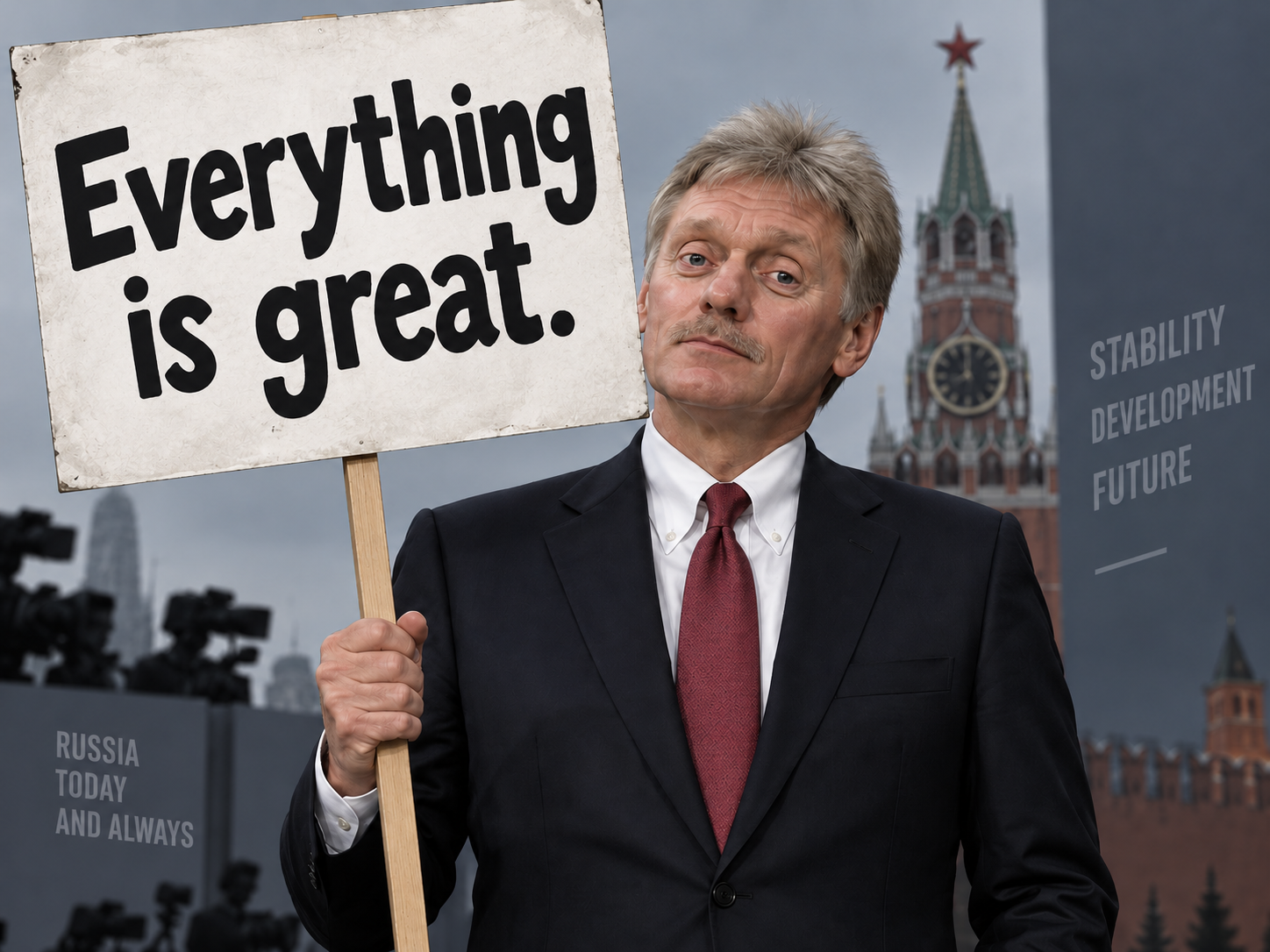
The Kremlin says Russia has no political prisoners.
Speaking to journalists on September 30, Kremlin spokesman Dmitry Peskov rejected reports that Moscow and Washington had discussed releasing political prisoners in exchange for sanctions relief.
Peskov said:
“No, it was not discussed in that formulation. In fact, it could not have been discussed because we categorically deny the existence of any political prisoners. We consider such a formulation of the question absolutely inappropriate. As for the various exchanges that have taken place before, our special services continue regular contacts on that matter.”
That is the Kremlin’s position.
Independent Russian human-rights monitors document a very different picture of political and anti-war repression.
OVD-Info says that as of July 24, 2025, it had documented 1,181 defendants in criminal anti-war cases, 11,591 administrative cases under Russia’s law against “discrediting” the armed forces, and more than 20,000 detentions connected to anti-war expression since February 2022.
OVD-Info’s review of 2025 also documented 142 new criminal prosecutions for anti-war expression during that year.
Those figures do not by themselves settle the legal or political definition of a “political prisoner.” They do show why Peskov’s categorical statement remains contested.
The distinction matters.
Reporting that a government rejects the term “political prisoner” is one thing. Examining what happens to people prosecuted for speech, protest and opposition activity is another.
Readers can judge the difference for themselves.